Budapest in winter
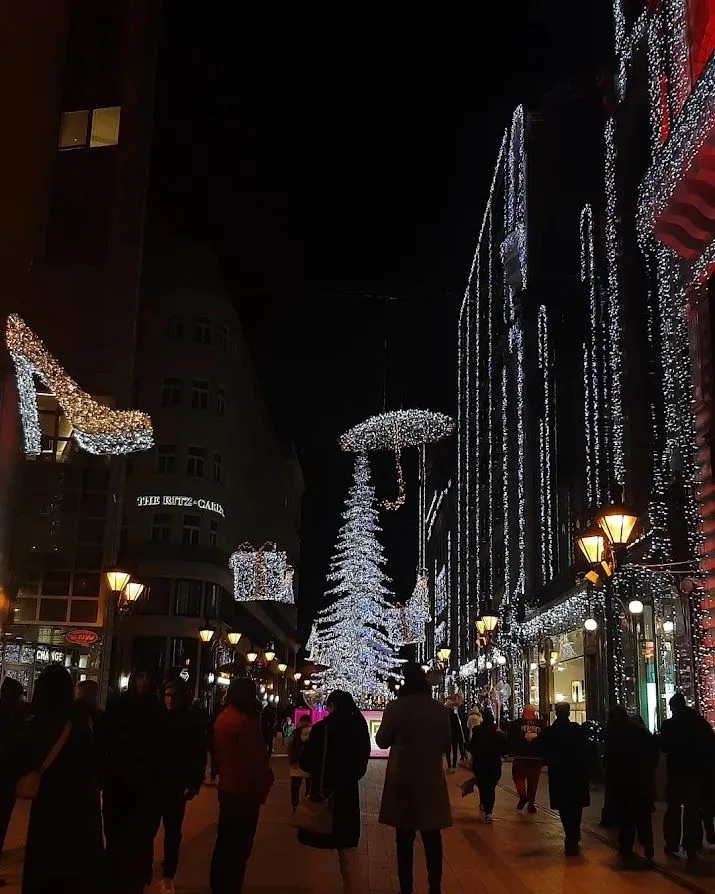
Experiencing Budapest in winter is an authentic fairytale that captures every soul in its charming embrace. The enchanting atmosphere will guide you into the Christmas spirit and bring countless smiles.
The city is a true work of art, painted by skilled hands. The architecture leaves no space for indifference—you will be enthralled by the glamour of every detail that invites you to delve into its splendour.
A blend of Gothic, Neoclassical, and Baroque styles will welcome you, and believe me, it will be a real pleasure. This historical beauty cannot be recreated nowadays; it belongs to those special times and today is carefully preserved as it once was.
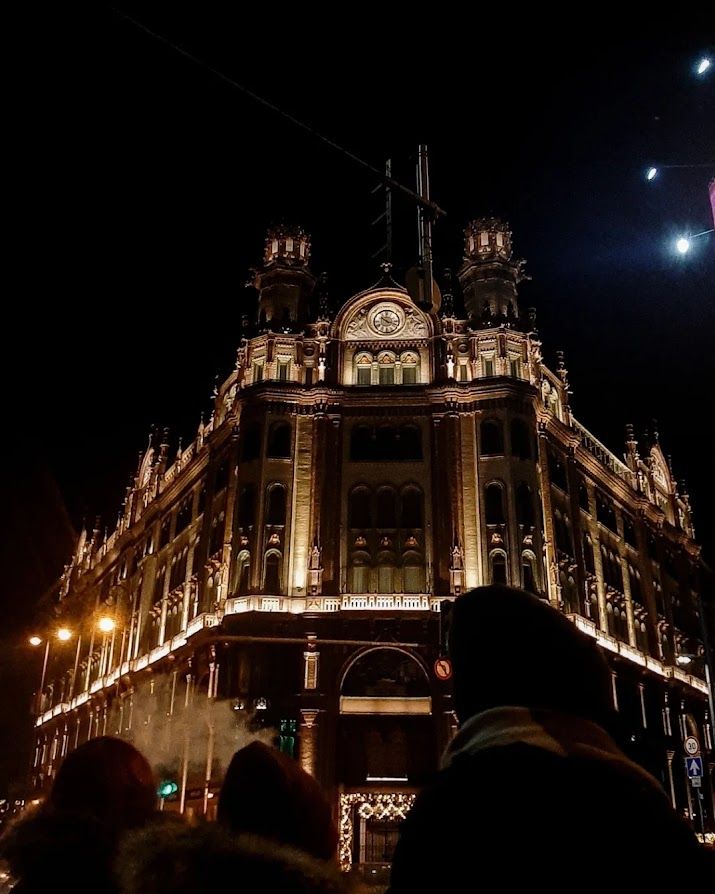
Budapest was formed from two cities on opposite sides of the Danube River: Buda and Pest. Together with Óbuda (Old Buda), they created the capital of Hungary.
While Pest is more urbanised and known for its vibrant cultural life, Buda offers panoramic views of the city.
Heading towards the centre, you will come across one of the main attractions in Budapest—the Fashion Street. Filled with elegance, extravagance, and refinement, this pedestrian street will win you over from the very first step.
Your eyes will meet trendy boutiques and a plethora of fashion brands. The street is decorated with special care in winter, creating a truly magnificent atmosphere.
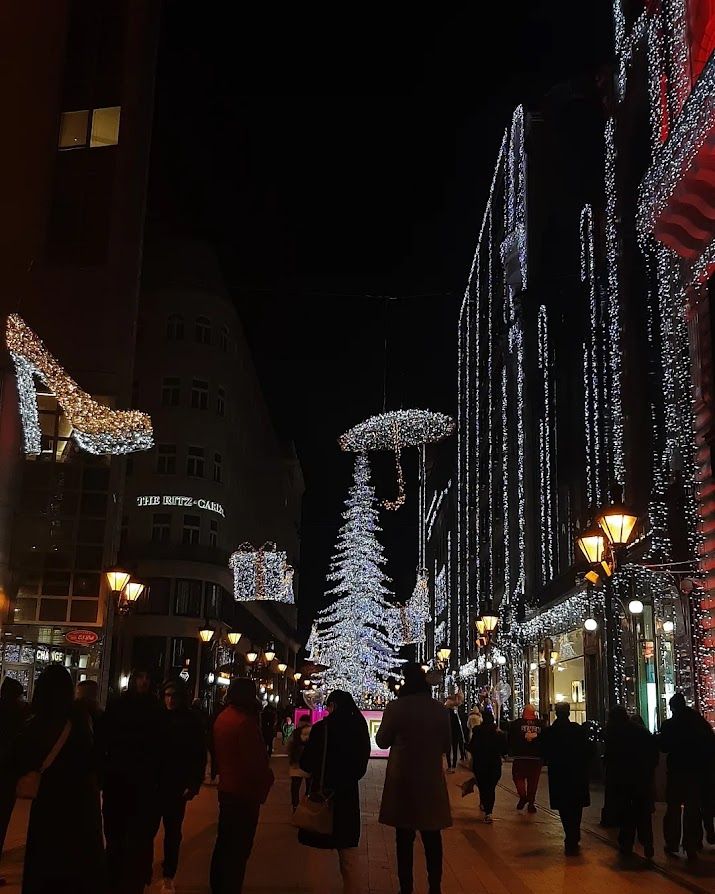
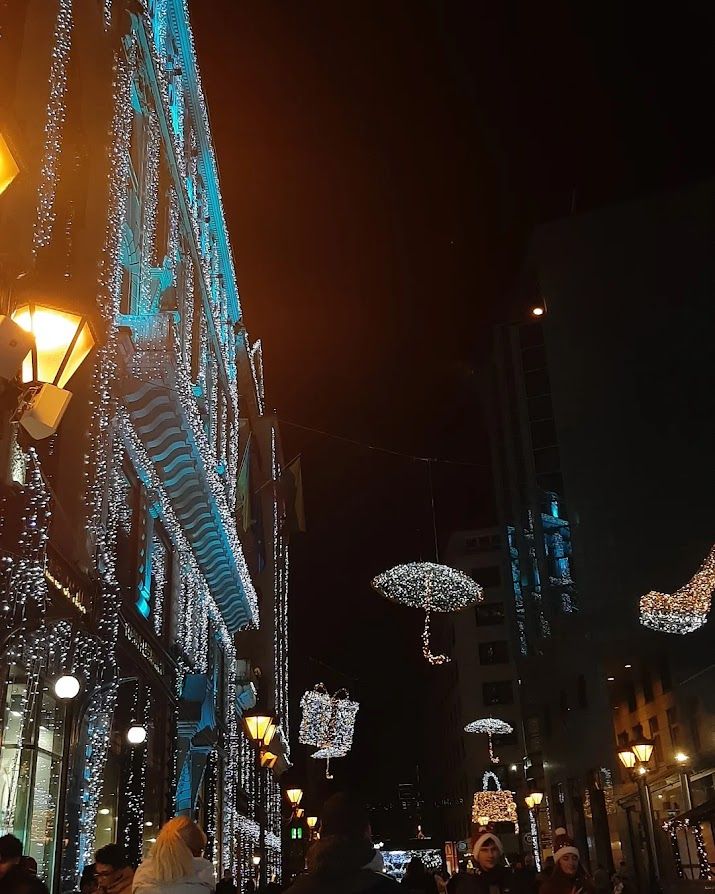
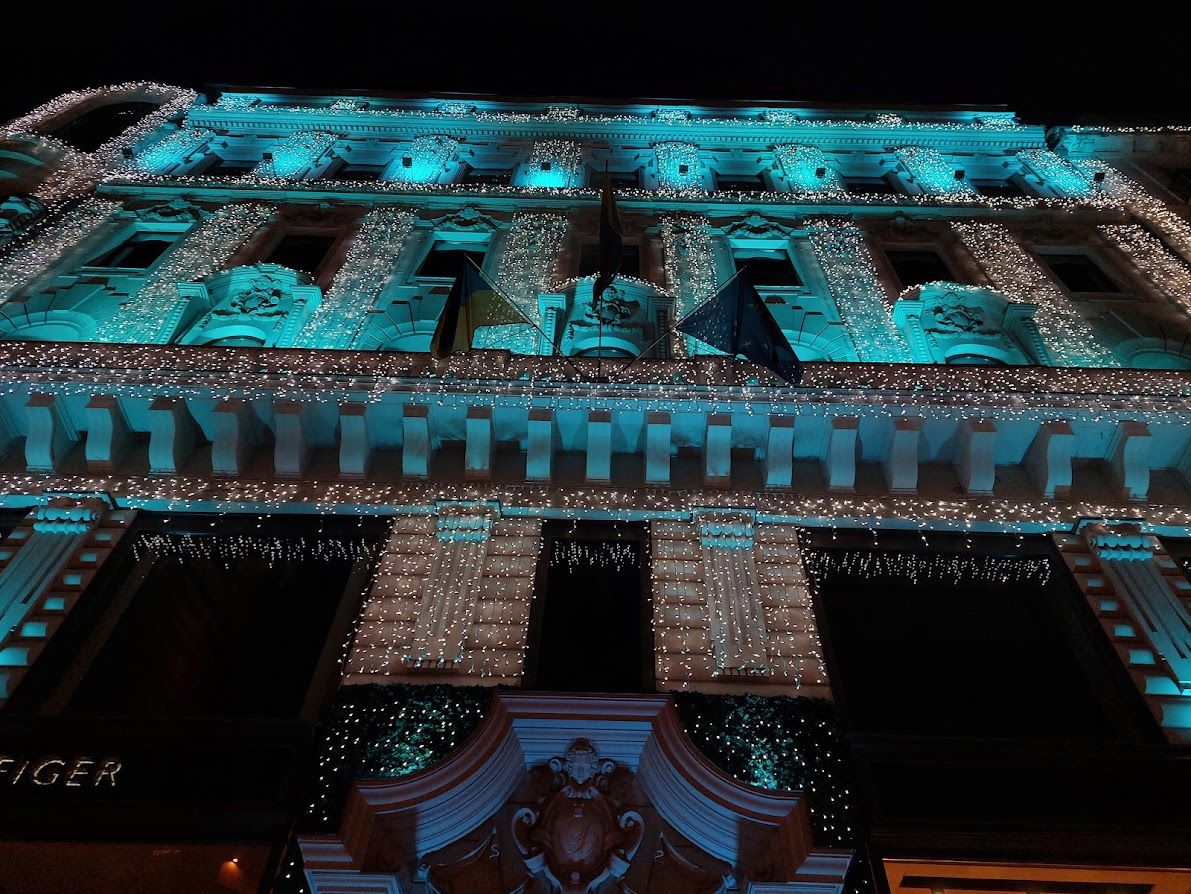
Near Fashion Street, you can also visit Vörösmarty Square, named after the Hungarian poet Sándor Vörösmarty. Like many other squares in Budapest, it hosts a Christmas market. You can enjoy mulled wine, hot chocolate, or traditional Hungarian food there.
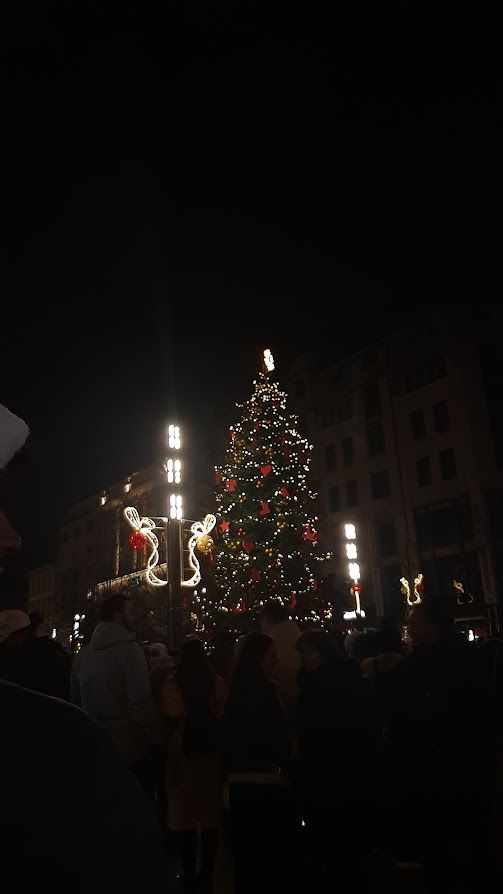
In this central area, you can also visit Deák Ferenc Square, another lively place for performances throughout the year, especially in winter. It also hosts a Christmas market, so expect the smell of delicious sweets and a festive atmosphere.
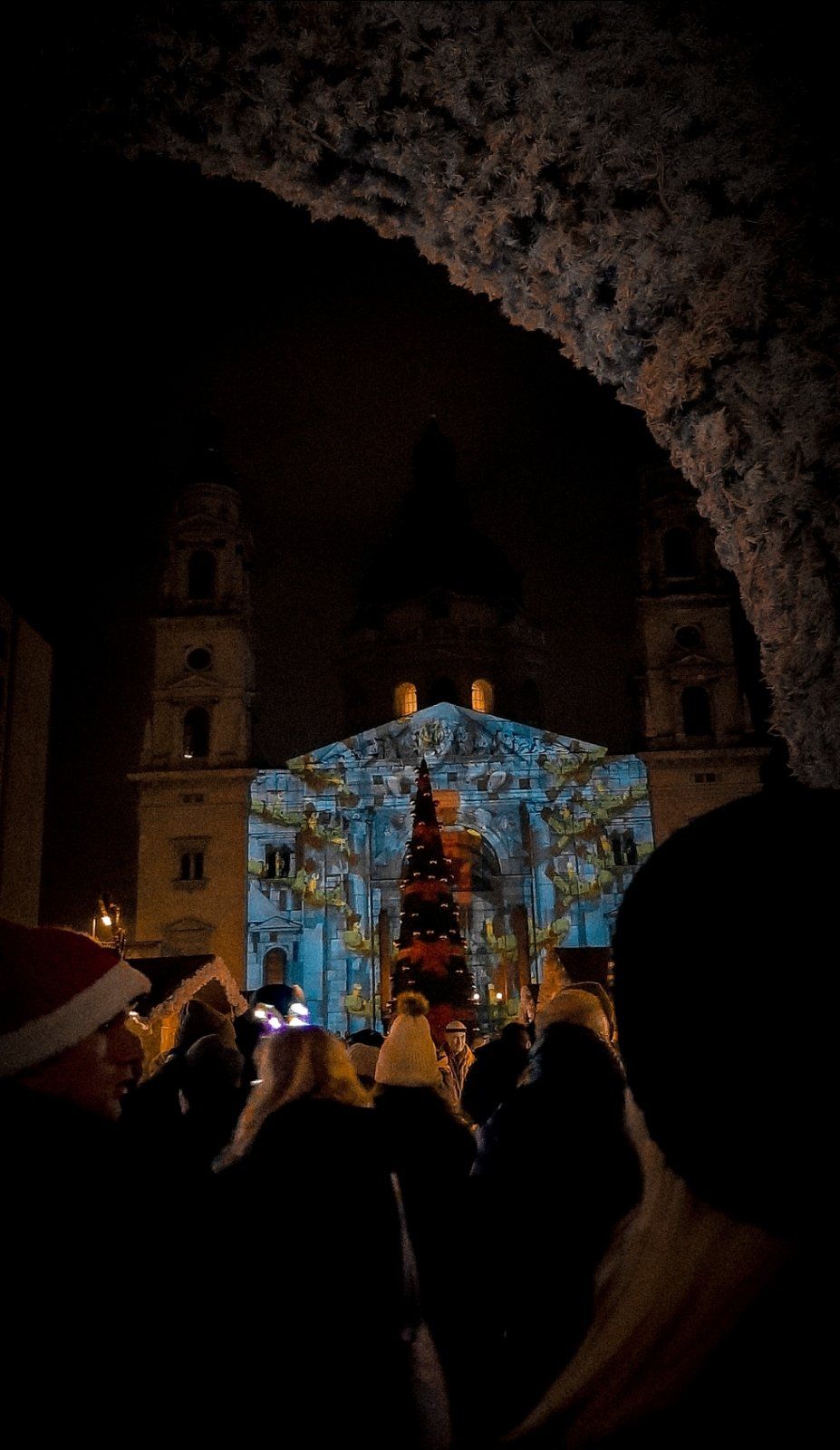
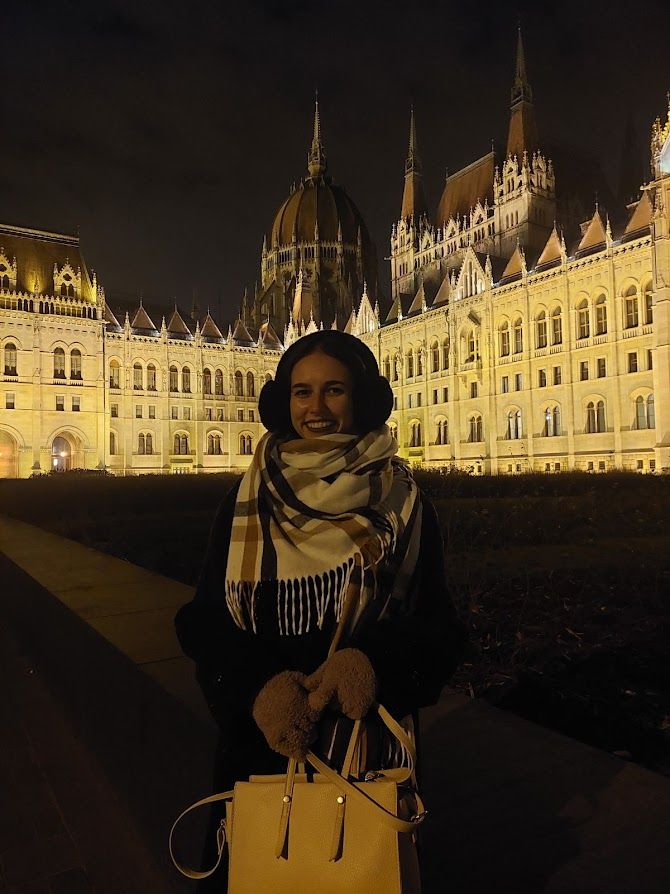
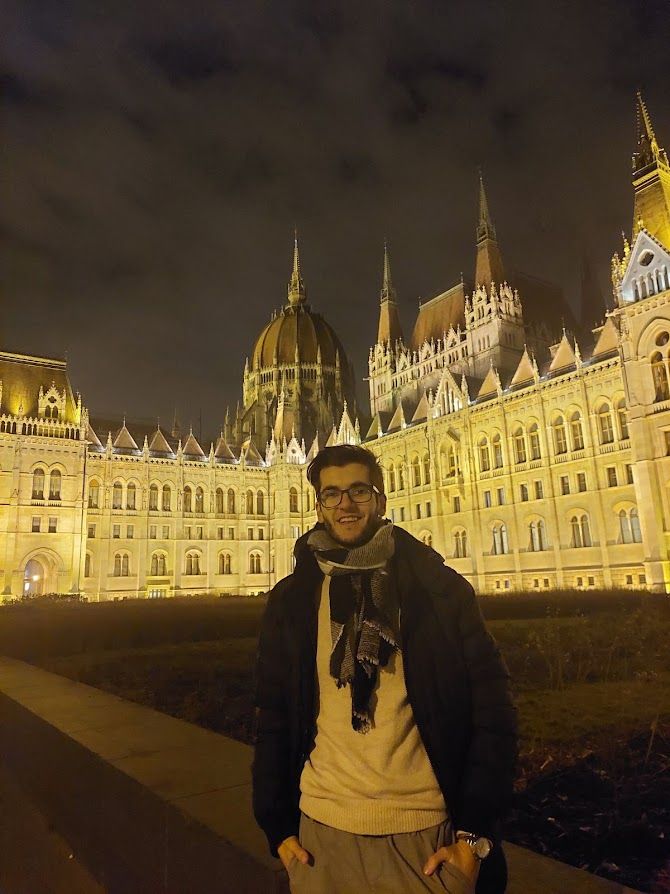
The Hungarian Parliament is another famous landmark in Budapest, as it is one of the largest parliamentary buildings in the world. It was built in Neo-Gothic style, and its construction lasted an impressive 20 years. It stands 96 metres tall, is about 268 metres long, and contains 691 rooms.
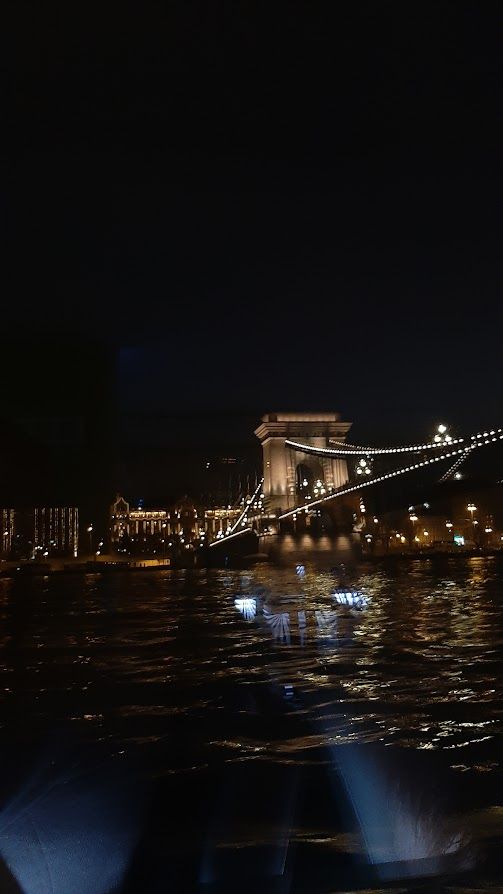
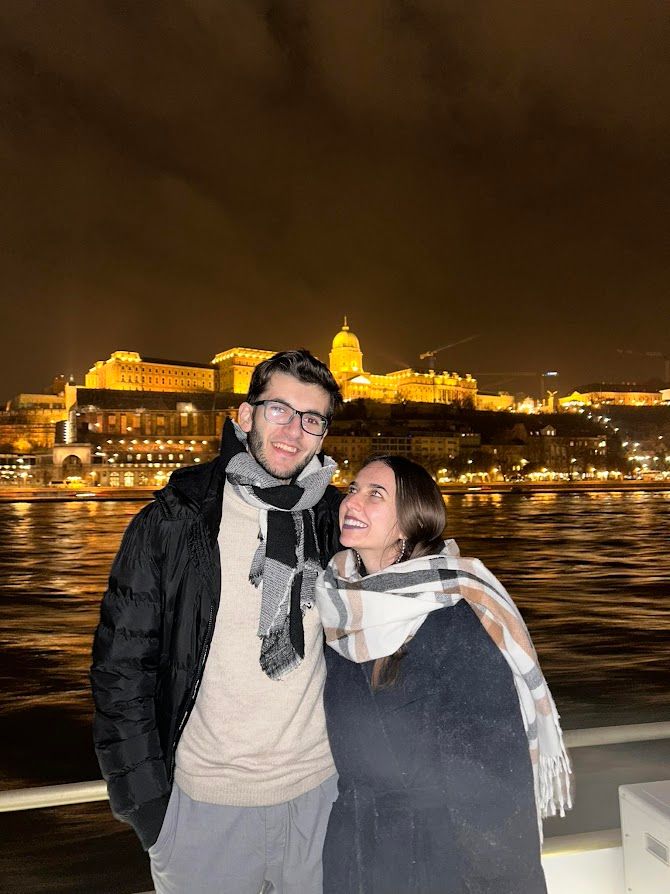
If you want to see the city from another perspective, you should take a cruise along the beautiful Danube. A night cruise offers stunning views of the illuminated landmarks.
Your experience will be accompanied by gentle music (we listened to Hungarian Dance No. 5—one of my favourites), and you can raise a toast with a glass of champagne.
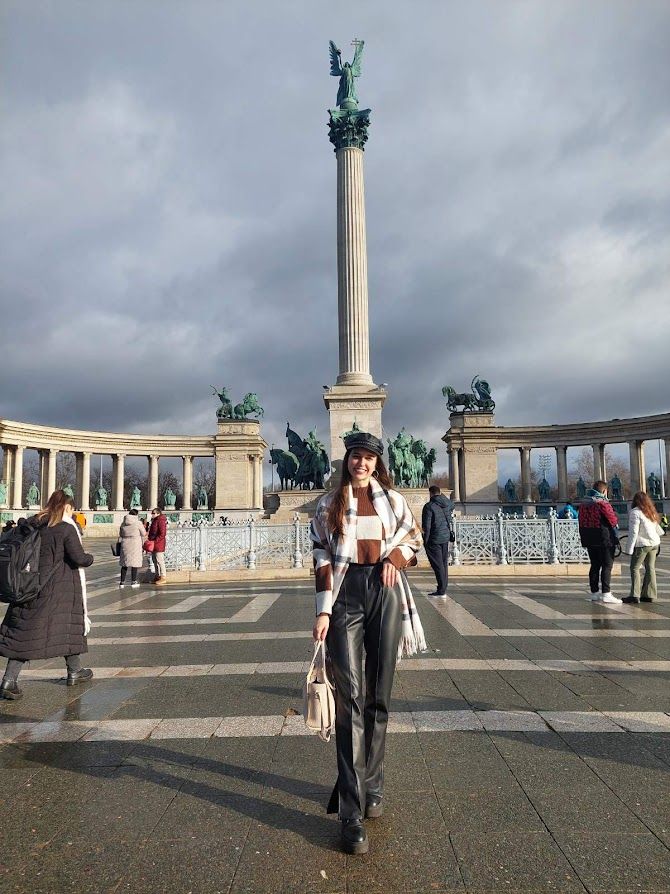
Another famous square built in neoclassical style is the Heroes’ square which is dedicated to the Hungarian heroes.
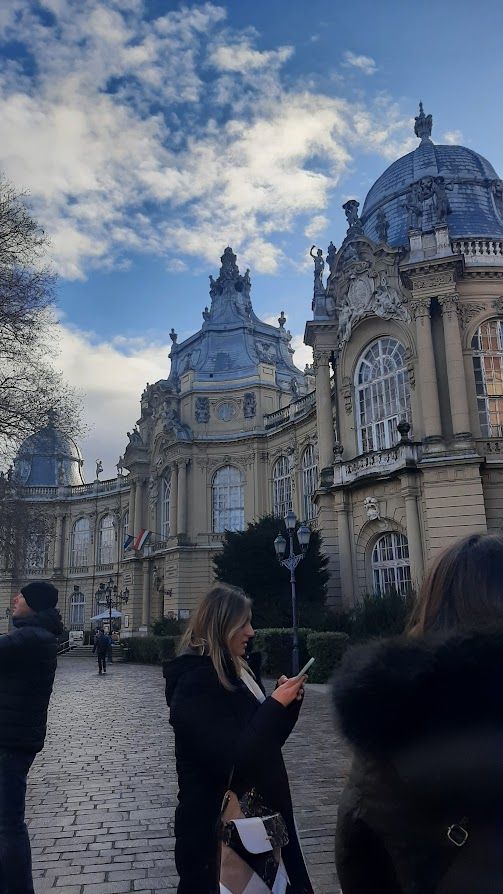
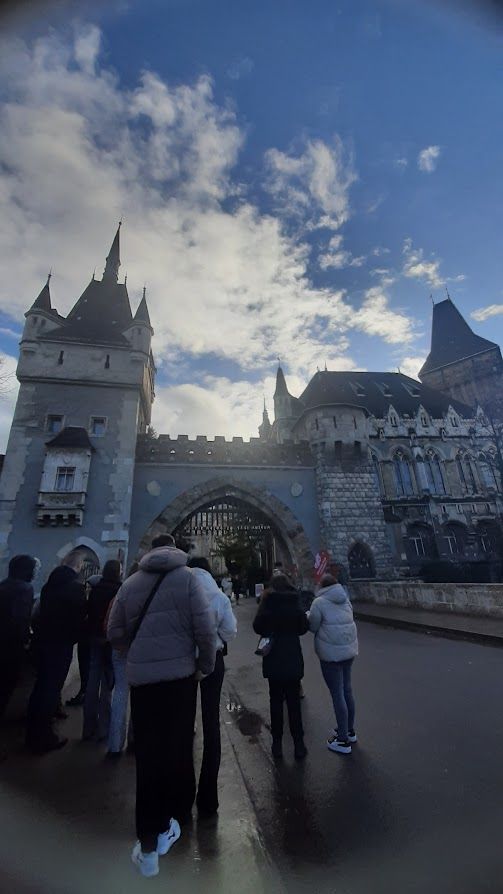
An interesting landmark is also Vajdahunyad Castle, which was built for the 1896 Millennium Exhibition. It is rich in beauty but was never used as a residence.
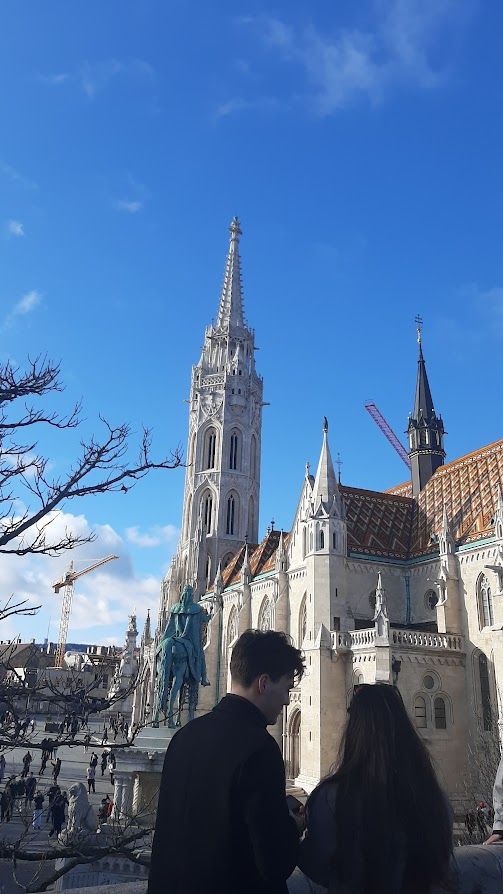
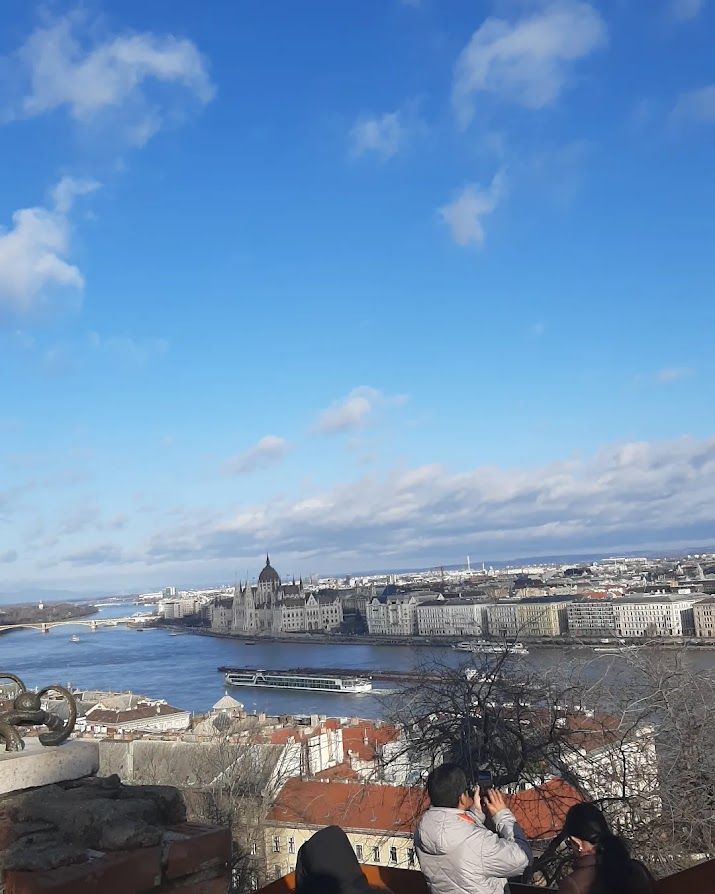
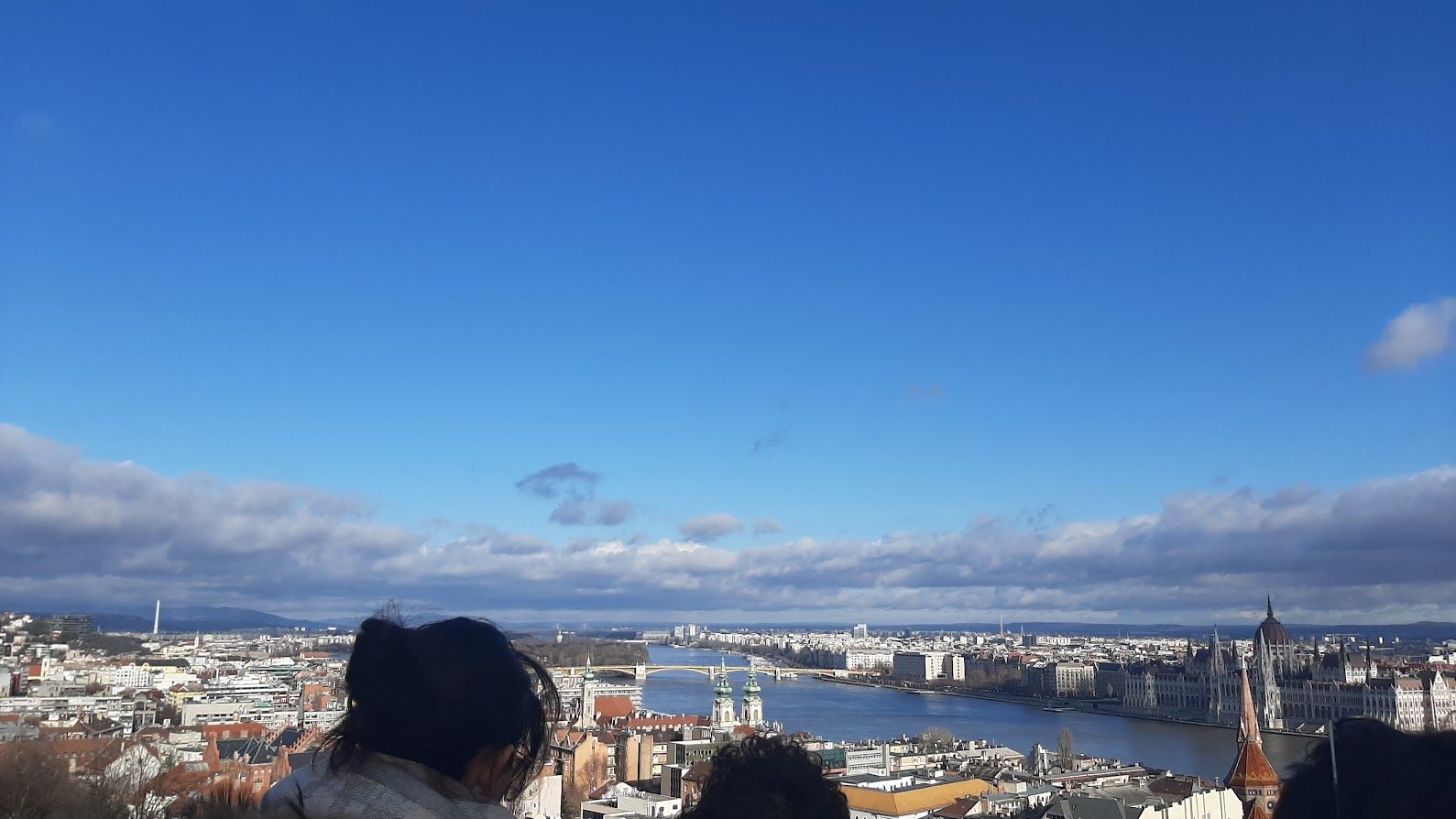
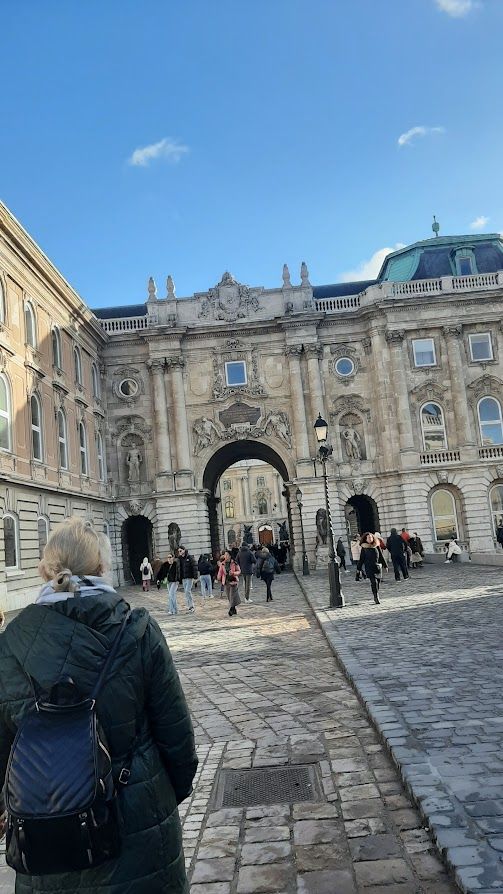
The most impressive place for me was Buda Castle Hill, also known as the Royal Palace. It is a complex of iconic landmarks such as Matthias Church and Fisherman’s Bastion.
This place will cast a spell on you, and your mind will be captivated by the picturesque view of the Danube flowing through the beautiful city.
Buda Castle once served as a residence for Hungarian kings. Matthias Church, located within the complex, was the site of many coronations and weddings.
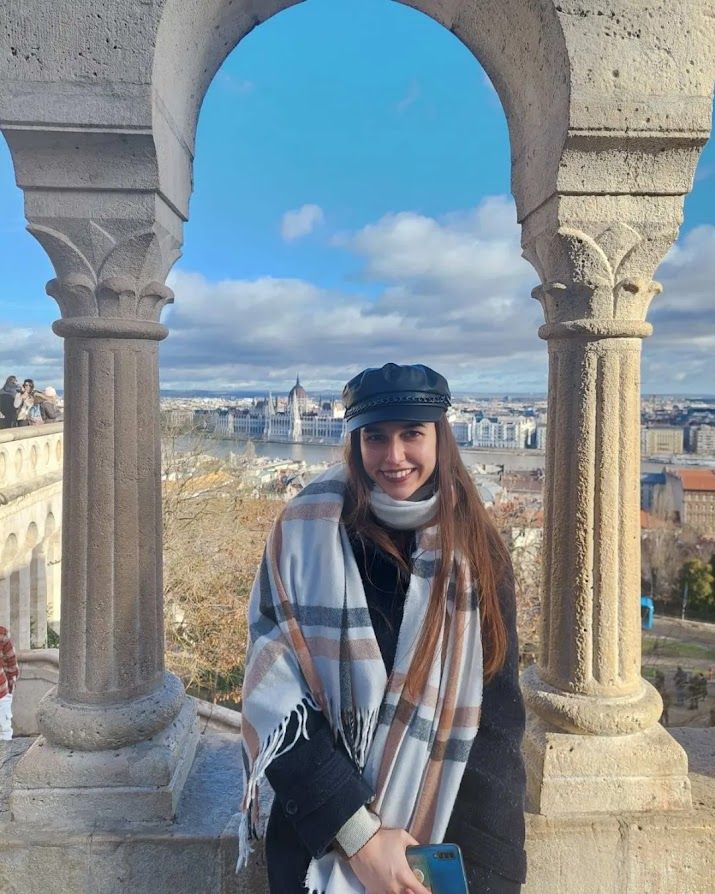
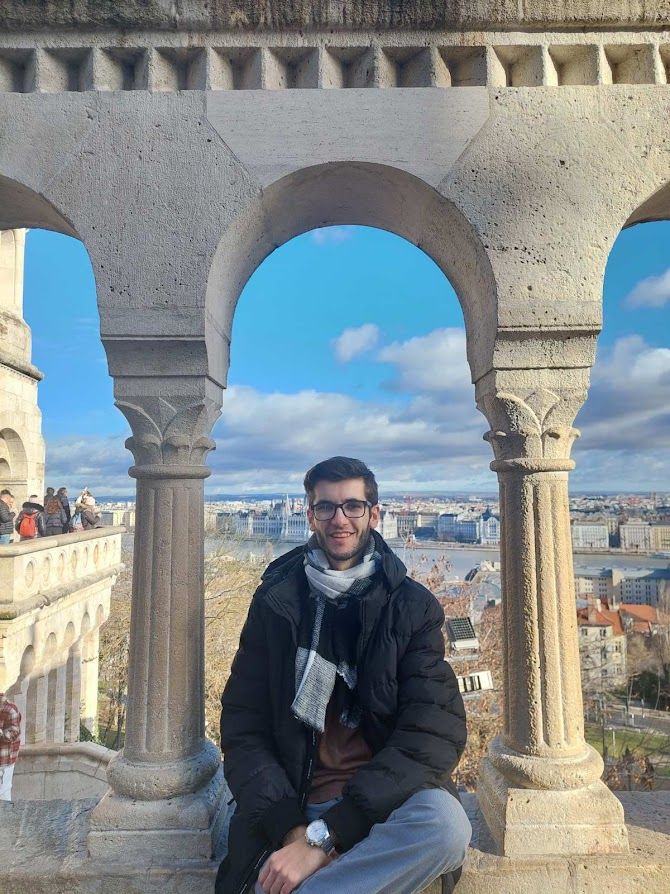
This city is a place that inspires, unites, and fills you with positive energy.
Budapest is a dream you experience with your eyes open!